
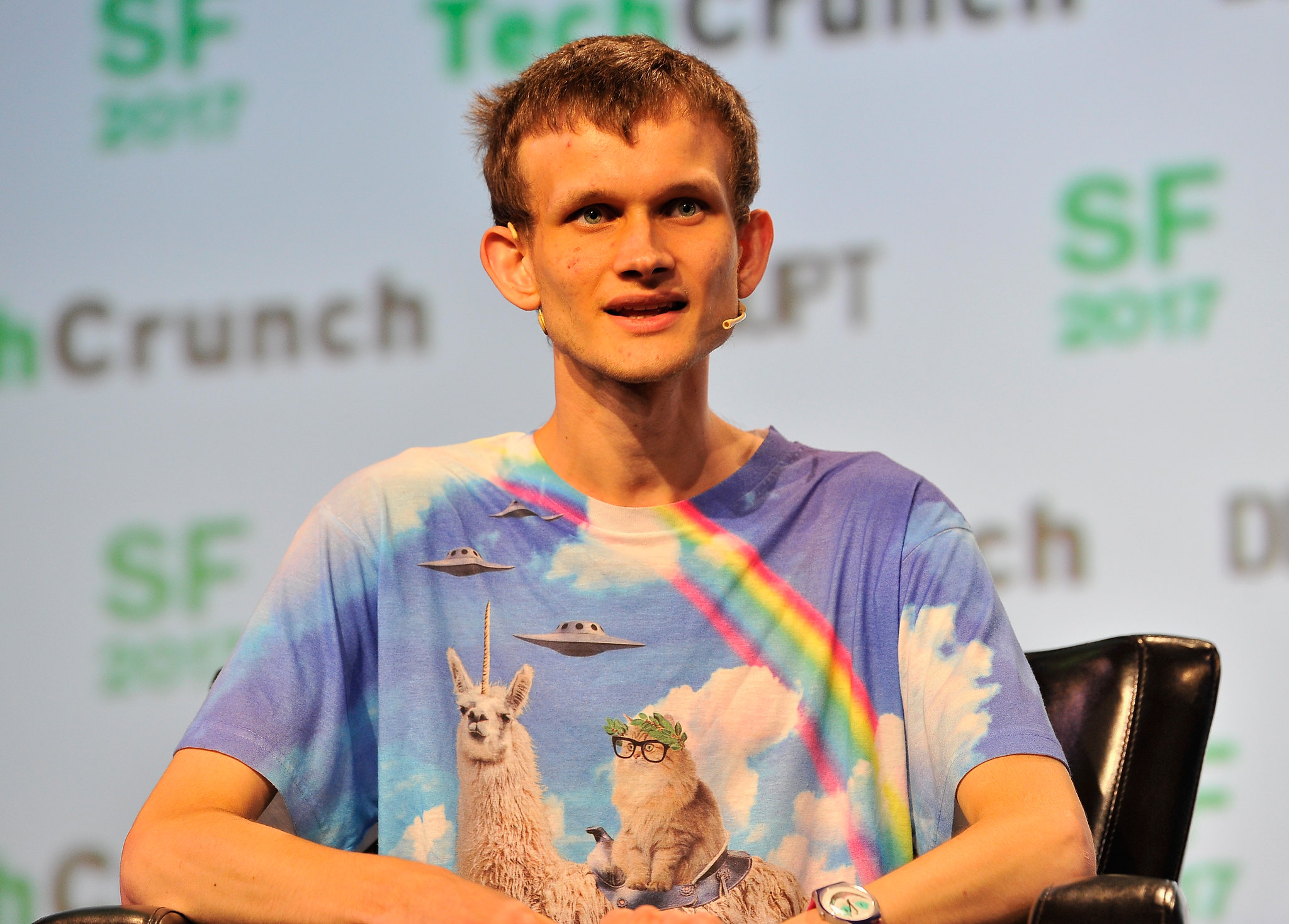
Buterin’s October 26 commentary highlights a critical distinction in AI governance: the difference between filtering dangerous capabilities and restricting access based on user identity. By scrubbing top-end offensive cybersecurity material from training data, Moonshot AI aims to provide the software industry with a buffer to harden existing infrastructure through formal verification. Buterin views this as a proactive defense, suggesting that mathematical proofing of code could neutralize the threat of automated attacks before they become widespread.
Moonshot AI’s technical report shows that these safety constraints come with a performance trade-off. The filtered Kimi K3.1 Pro achieved an 81% success rate on internal exploit benchmarks, lagging behind the 90.5% score of its unfiltered counterpart. Despite this gap, the model remains highly competitive, outperforming several industry-standard systems in broader testing. The startup plans to release the model’s full weights by November 4, even as Buterin acknowledges that other labs will eventually replicate the advanced offensive capabilities that Moonshot has deliberately excluded.
The broader concern for the Ethereum creator is that failing to manage these risks voluntarily will invite heavy-handed regulation. Buterin warns that high-profile AI-driven security breaches could trigger a regime of mandatory Know Your Customer (KYC) requirements, effectively relegating users to tiered status based on their nationality or credentials. This stance aligns with his recent advocacy for privacy-preserving AI architectures, which utilize tools like Tor routing and zero-knowledge proofs to decouple AI utility from personal identity. For now, the debate remains centered on whether defensive software hardening can keep pace with the rapid evolution of autonomous hacking tools.
Comments (0)
No comments yet. Be the first!