
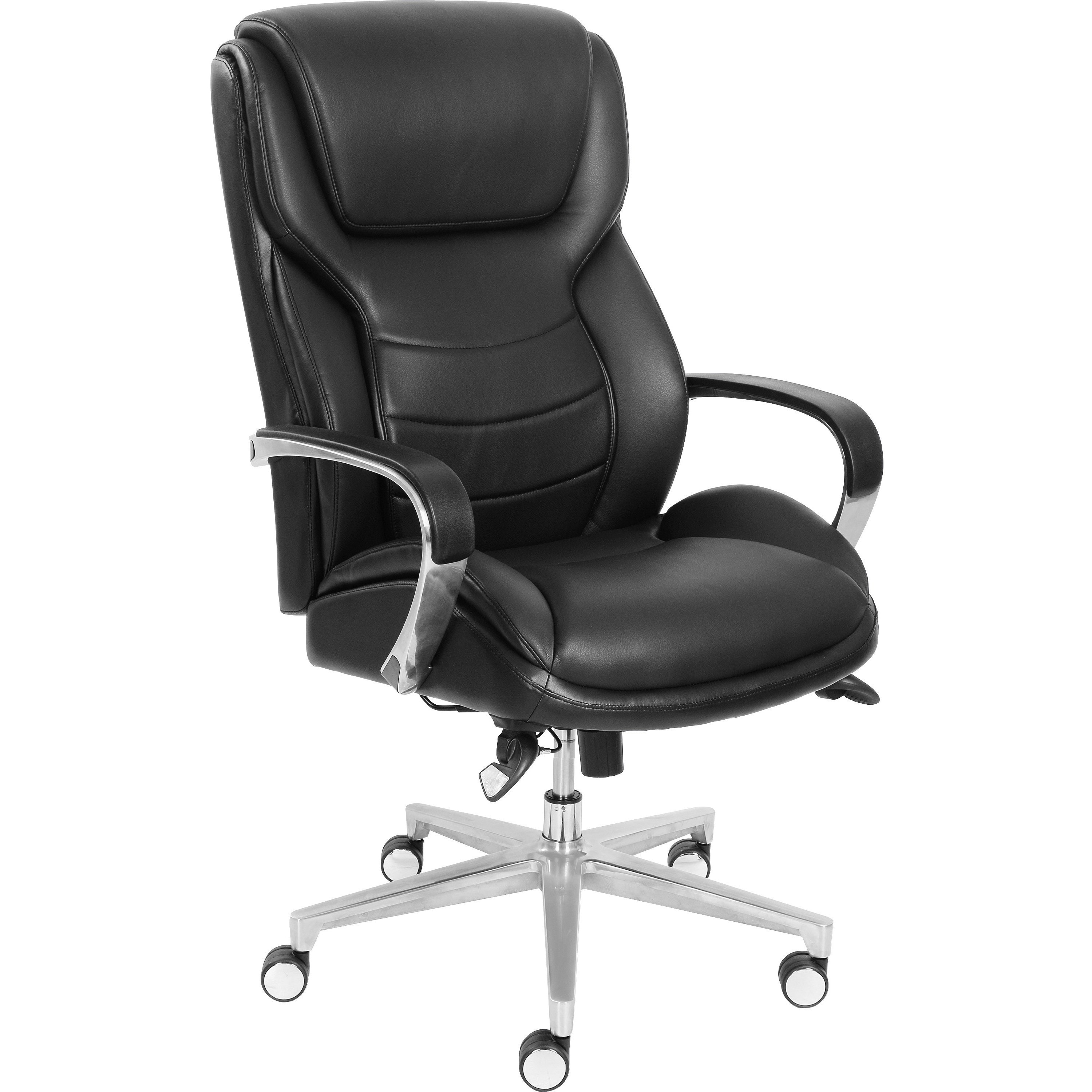
The Michigan-based manufacturer expects fiscal fourth-quarter sales to range between $560 million and $580 million, falling short of the $590.2 million analysts anticipated. The cautious guidance sent shares down 6.6% to $35.42 following the report, compounding a 17% decline for the stock over the past 12 months. According to the company, the forecast reflects the lingering effects of adverse weather events that began at the end of its latest quarter.
For the fiscal third quarter ended in January, La-Z-Boy reported revenue of $541.6 million, a 4% increase that topped FactSet estimates. However, net income fell to $21.7 million, or 52 cents per share, down from $28.4 million a year earlier. While adjusted earnings of 61 cents per share beat expectations, same-store sales in the retail segment slipped 4% as lower foot traffic outweighed higher conversion rates and larger average transaction sizes.
Shifting Toward Direct-to-Consumer
Despite the near-term headwinds, Chief Executive Melinda Whittington signaled that the company is aggressively expanding its physical footprint to capture more market share. La-Z-Boy has transitioned its business model to rely more heavily on its own storefronts rather than third-party wholesalers to drive long-term growth.- The company added 29 net company-owned stores over the last year through a mix of new builds and acquisitions.
- Company-owned locations now account for 60% of the total network, an all-time high for the brand.
- Growth in the wholesale and retail segments was partially offset by a decline in the company's digital-first Joybird brand.
Comments (0)
No comments yet. Be the first!