
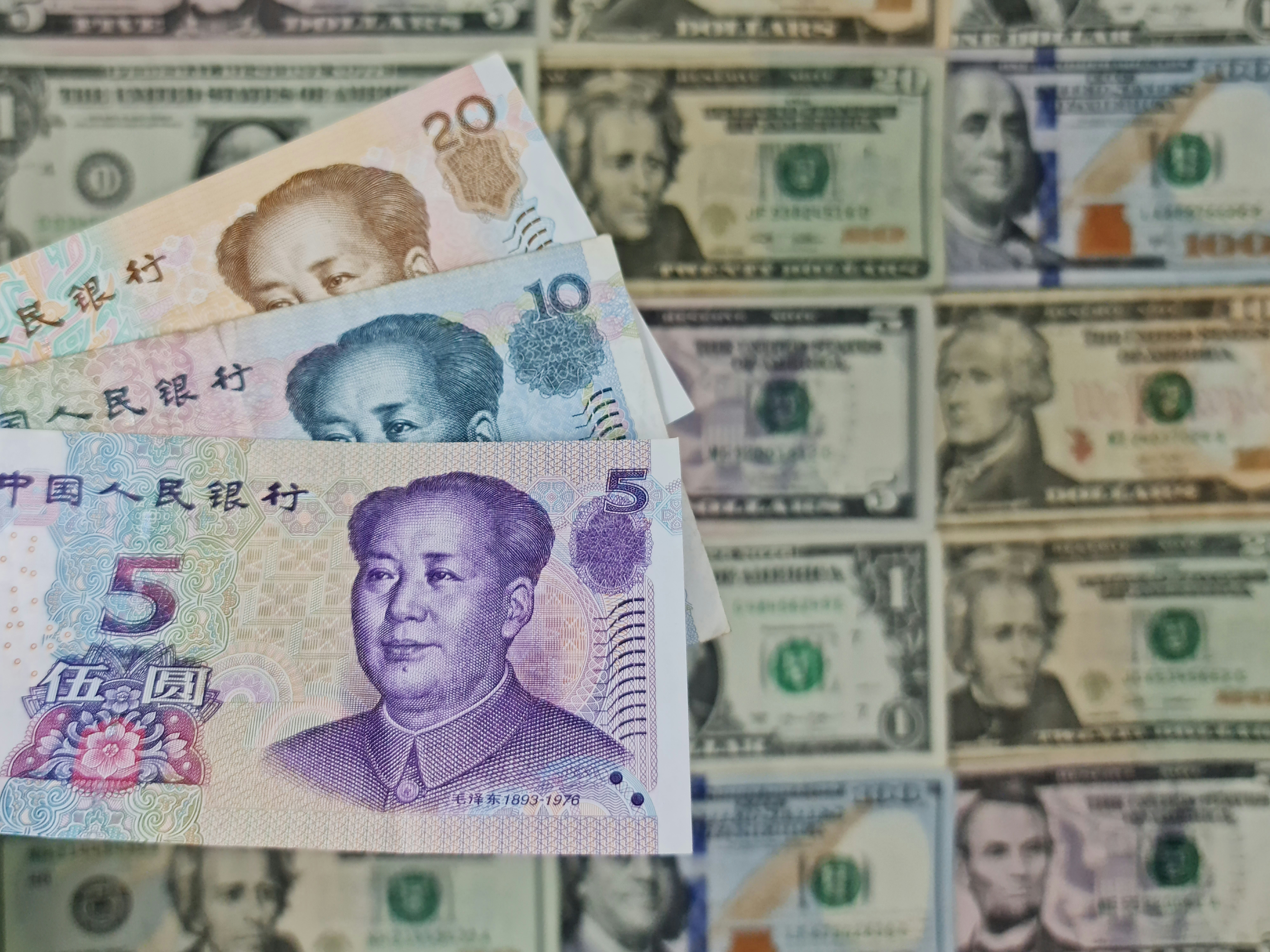
The adjustments, which span both state-owned institutions and smaller joint-stock banks, have pushed deposit offerings to or above the U.S. Secured Overnight Financing Rate of 3.61%. While the People’s Bank of China has remained silent on whether it issued informal guidance for the move, the shift marks a distinct departure from the restrictive rate ceilings imposed in 2023 when the yuan faced intense depreciation pressure.
Market analysts suggest the policy pivot serves a dual purpose. Gary Ng, senior economist at Natixis, noted that the move aligns domestic rates with climbing global dollar funding costs while preventing capital flight into alternative wealth management products. With the yuan having gained more than 3% this year, businesses have voiced concerns that an overly strong currency threatens export competitiveness. As of the end of April, foreign exchange deposits in China reached $1.15 trillion, a 20% increase from a year prior, providing banks with significant leverage to manage these inflows.
Comments (0)
No comments yet. Be the first!