
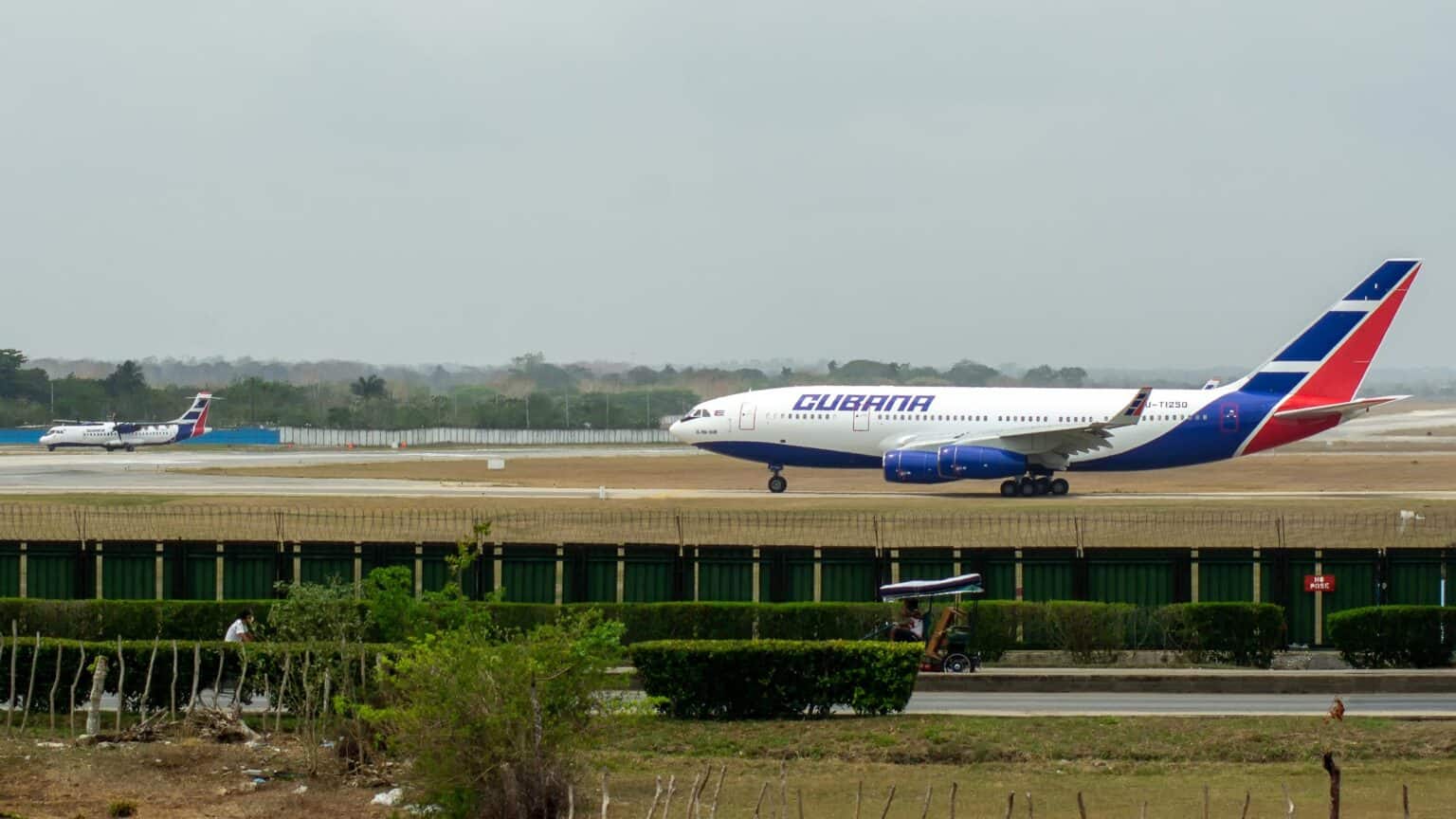
The fuel suspension affects major hubs including Havana, Varadero, and Santiago de Cuba, effectively requiring carriers to arrive with sufficient fuel for their return journeys or schedule technical stops elsewhere. Ricardo Torres, a research fellow at American University, characterized the move as a "negative operational signal" that could force airlines to reassess capacity. The sector is already under significant pressure, with international arrivals last year falling 17.8% compared to 2024—a figure that remains 58% below the pre-pandemic levels recorded in 2019.
Geopolitical Pressure and Supply Chains
The shortage follows a critical shift in Cuba's energy logistics after Venezuelan shipments were halted last month. Mexico has since emerged as the island’s primary supplier, reporting $496 million in crude and fuel sales to Cuba in 2025. However, this trade route faces mounting pressure from Washington. Mexican President Claudia Sheinbaum recently called on the Trump administration to rescind a January 29 executive order that imposes tariffs on nations supplying fuel to the island, describing the sanctions as "unfair" to the Cuban population.
While sources familiar with airline operations suggest the impact on U.S.-Cuba traffic may be limited, the broader logistical hurdles for international carriers include:
- Increased takeoff weights due to "tankering" (carrying extra fuel for the return leg).
- Potential cancellations for long-haul routes unable to carry sufficient reserves.
- Higher operational costs and reshuffled flight rotations.
Comments (0)
No comments yet. Be the first!