
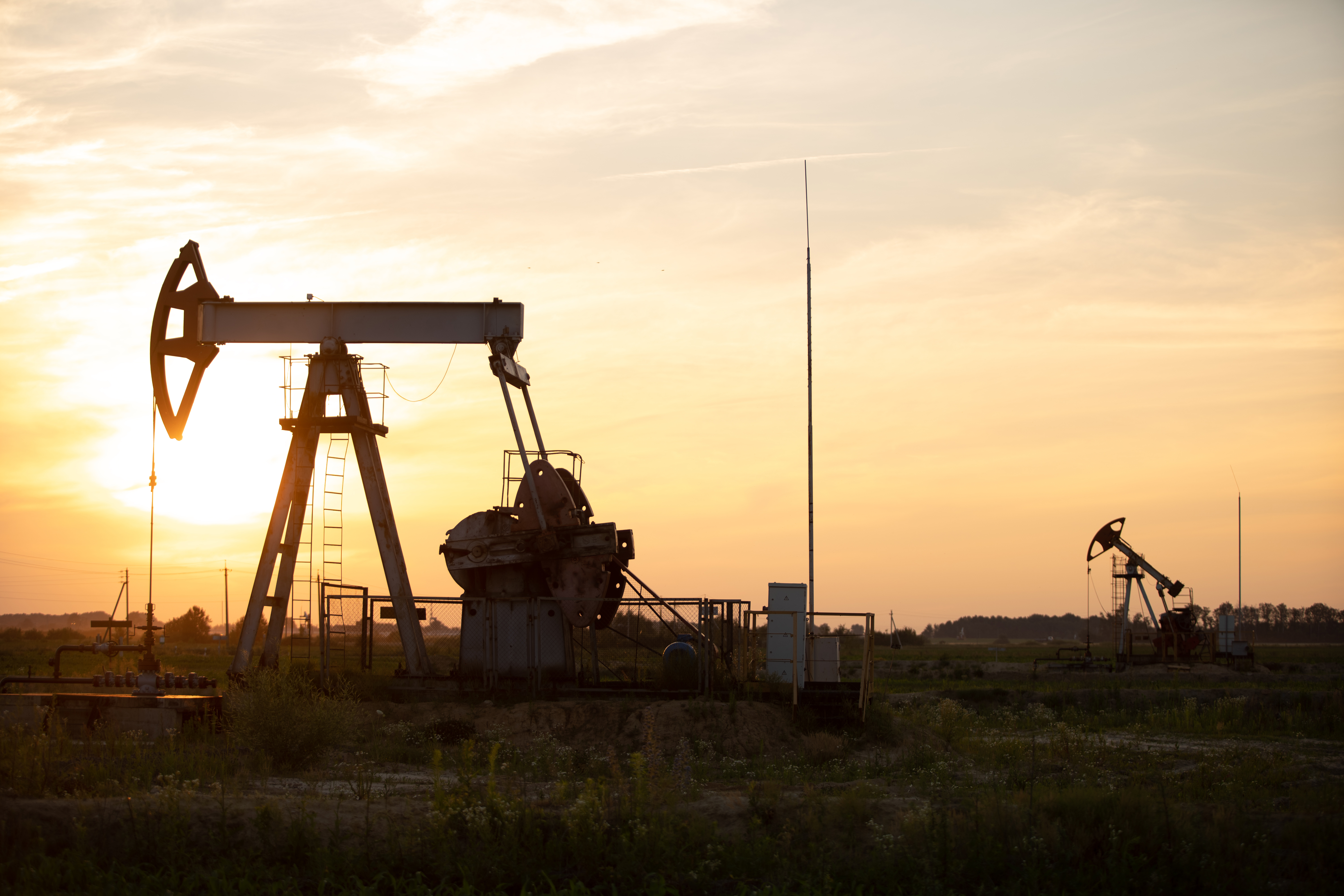
By late morning in New York, the NYMEX March West Texas Intermediate contract rose $1.05 to $65.01 per barrel, while the international benchmark, Brent crude, gained $1.02 to reach $69.82. Refined products followed the upward trend, led by a 2.3% jump in ultra-low sulfur diesel (ULSD) as supply draws fueled by freezing temperatures across the U.S. continued to support the complex.
The market's trajectory remains tethered to a diplomatic standoff in the Middle East. President Donald Trump met with Israeli Prime Minister Benjamin Netanyahu on Wednesday to discuss the ongoing situation with Tehran. Sentiment further hardened after Iranian President Masoud Pezeshkian stated his country would not yield to "excessive demands" from Washington, signaling a stalemate that keeps a risk premium embedded in global energy prices.
Inventory Builds and Demand Shifts
The price gains persisted despite bearish data from the Energy Information Administration (EIA). While the 8.5 million-barrel build in crude stocks was substantial, total inventories remain 3% below seasonal averages. This accumulation occurred as U.S. oil production recovered to 13.713 million barrels per day following previous weather-related declines, even as refinery utilization dipped slightly to 89.4%.
The federal report highlighted a divergence in fuel consumption as winter weather impacts national demand patterns:
- Distillate stockpiles fell by 2.7 million barrels, leaving them 4% below the five-year average.
- Implied distillate demand reached 4.449 million barrels per day, a year-over-year increase of 760,000 barrels.
- Gasoline inventories rose by 1.2 million barrels, though demand remained roughly 276,000 barrels per day below last year's levels.
Comments (0)
No comments yet. Be the first!